ECTA Safety Recommendations for forklift operations
Download recommendation as PDF
Preliminary remarks:
In the tube and core industry, the equipment in use differs in size, type and operation, depending on the manufacturer. The ECTA Safety Committee has made an effort to take into account all the existing differences in writing these safety recommendations. The committee advises you to take national standards and norms into account when applying ECTA safety recommendations. The current Machinery Directive 2006/42/EC and the relevant CE norms are to be observed as well.
A. Pre-Operation Safety Checks:
I. Inspect the forklift: Before each shift, ensure the forklift is in proper working condition. Check tires, brakes, lights, horn, forks, and mast for damage or wear.
II. Fuel and Battery: Ensure the forklift has adequate fuel or is fully charged. Inspect the battery for any leaks or damage. During the charging process, sufficient ventilation for potential outgassing must be ensured.
III. Hydraulic System: Check for oil leaks and ensure smooth movement of the hydraulic system.
IV. Forks: Ensure the forks are properly attached and that they can move smoothly up and down.
B. Operator Safety:
I. Training: Only trained and certified operators should use a forklift. They should be familiar with the specific type of forklift they are operating.
II. Seatbelt: Always wear the seatbelt (if available) while operating the forklift.
III. No Passengers: Never allow passengers on the forklift. It is designed for only one person.
IV. No Unattended Forklifts: Never leave the forklift unattended with the engine running. Lower the forks, apply the parking brake, and turn off the engine when not in use. Remove vehicle keys.
C. Load Handling:
I. Proper Load Distribution: Ensure the load is evenly distributed and securely fastened. The heaviest part of the load should be closest to the forklift mast.
II. Do Not Overload: Know the forklift’s load capacity and never exceed it. Check the capacity plate for weight limits.
III. Lift Properly: Always lift the load to a safe height before moving. Make sure the load is stable and clear of obstacles.
D. Driving Safety:
I. Speed Limits: Operate the forklift at a safe and controlled speed. Always slow down around corners, intersections, and areas with limited visibility.
II. Clear Vision: Ensure you have a clear line of sight while operating the forklift. If necessary, drive in reverse to maintain visibility.
III. At no time should the operators have their arms or legs outside the forklift.
IV. Turning: Take turns slowly and smoothly to avoid tipping the forklift.
V. Pedestrians: Be aware of pedestrians and other workers in the area. Use the horn to alert others of your presence.III. At no time should the operators have their arms or legs outside the forklift.
VI. Ramps and Inclines: Always drive straight up and down inclines. Never turn while driving on ramps.
VII. Keep Forks Low: When traveling, keep the forks as low as possible (a few inches above the ground) to improve stability and prevent tipping. The mast should not extend the driver’s cab, especially when driving in reverse. Always be aware of clearance heights.
VIII. Measures are recommended to ensure the detection of forklift operations. This includes light that is projected onto the ground a certain distance in front of and behind the forklift and a warning sound that can be activated in noisy work areas (see exemplary picture below).
IX. Measures to enhance the operator’s awareness of the surrounding work area (both through technical means and operationally, i.e. review and training) are highly encouraged.
E. Maintenance and Inspection:
I. Regular Maintenance: Follow the manufacturer’s recommended maintenance schedule for oil changes, tire checks, and other routine upkeep.
II. Report Problems: Immediately report any malfunction or issue with the forklift to the supervisor or maintenance team.
F. Work Environment Safety:
I. Lighting and Signage: Ensure that the area is well-lit, especially in warehouses or poorly lit environments.
II. Clear Pathways: Keep aisles and work areas clear of obstructions and debris. Ensure there is enough space for the forklift to maneuver.
III. Weather Conditions: Be cautious when operating a forklift in adverse weather conditions, such as rain, snow, or ice, which can affect traction and visibility.
G. Emergency Procedures:
I. Know Emergency Stops: Be familiar with how to safely stop the forklift in an emergency.
II. Accident Reporting: If an accident or near-miss occurs, report it to your supervisor immediately. Document the incident for safety reviews and improvements.
H. Personal Protective Equipment (PPE):
I. Wear PPE: Depending on your work environment, you may need to wear safety shoes, hard hats, high-visibility clothing, and gloves.
II. Clear Vision: Hearing Protection: If working in noisy areas, use hearing protection as recommended.
By adhering to these safety instructions, you can significantly reduce the risk of injury or accidents while operating a forklift. Always follow your workplace’s specific safety guidelines and procedures for the best protection.
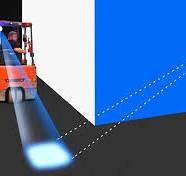
Exemplary picture for D. VIII. ‘light projection’
Remarks:
The CE symbol is no longer valid when significant changes to the machine occur.
Approval of the safety concept by institutions responsible for inspections at the national level is highly recommended.
Waiver of liability:
ECTA has made an effort to draft these safety recommendations in good faith using the knowledge available to us. The recommendations are non-binding. Claims of guarantee cannot result from following them. The recommendations do not release members from informing themselves of the current legal regulations and of their individual application needs.